Analyzing Loyalty Frameworks Across UK Bookmaker Platforms in Football Markets
Written by Theo Baumann · Aug 23, 2026
Analyzing Loyalty Frameworks Across UK Bookmaker Platforms in Football Markets
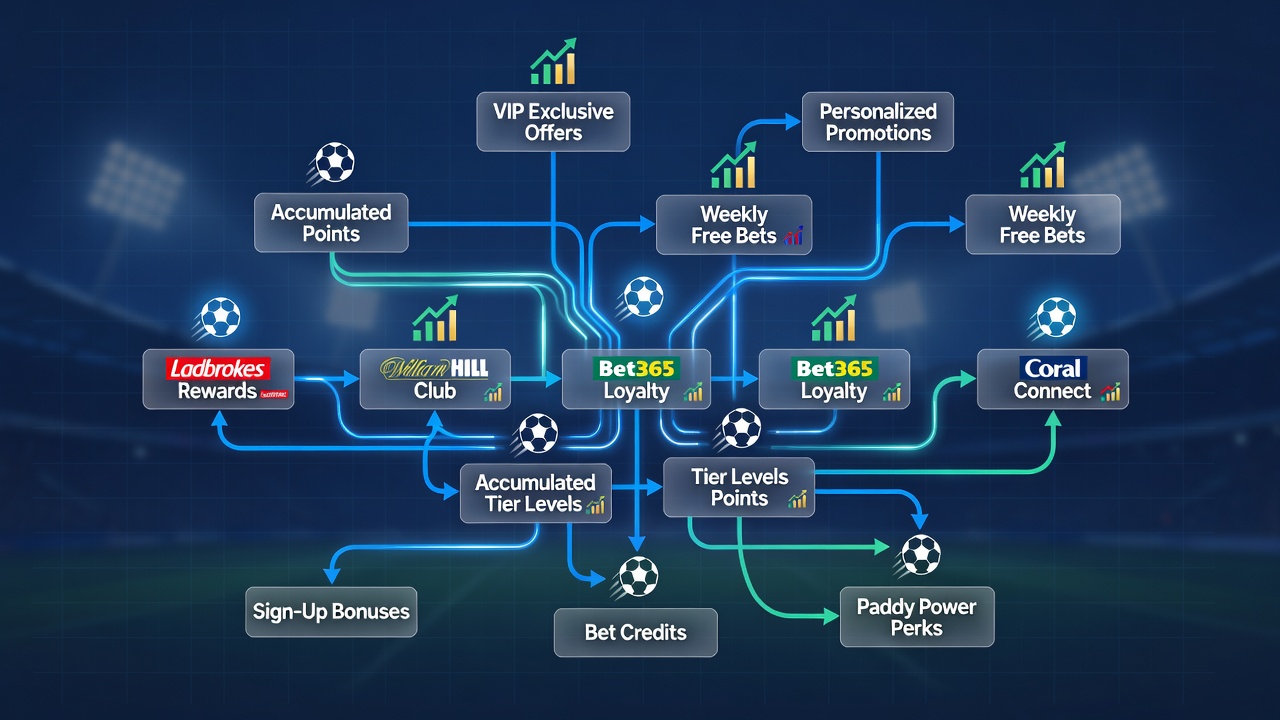
UK bookmaker platforms have developed distinct loyalty program structures that reward consistent participation in football markets, with many operators adjusting their frameworks ahead of the 2026 season. These systems typically combine points accumulation, tiered benefits, and targeted promotions tied to Premier League and European competition fixtures, creating pathways that differentiate one platform from another in a crowded field.
Core elements include base point accrual on each wager, accelerated rates during live matches, and milestone bonuses that unlock after reaching specific staking thresholds. Observers note that platforms often segment rewards by competition type, offering higher multipliers for domestic cup games while maintaining steadier rates for league play, which allows operators to balance volume across different football calendars.
Key Structural Variations Among Operators
Some platforms organise loyalty around progressive tiers that grant escalating perks such as cashback percentages, free bet credits, and priority access to enhanced odds on major fixtures. Others rely on flat-rate systems where accumulated points convert directly into account credits without formal levels, yet still incorporate weekly or monthly challenges centred on football selections. Data shows these differences influence how users distribute their activity across multiple sites during peak periods like August 2026 when the new domestic season begins.
Take one platform that integrates casino-style elements into its football loyalty structure, awarding bonus spins or table credits alongside betting rewards. Another emphasises community features where group challenges based on collective performance in accumulator bets generate shared bonuses. These approaches reflect broader patterns where operators align loyalty mechanics with distinct user segments active in competitive football markets.
Football-Specific Mechanics and August 2026 Trends
Football markets drive many loyalty innovations because of their predictable fixture schedules and high engagement volumes. Programs frequently include dedicated leaderboards for weekly goalscorer bets or clean-sheet predictions, with top performers receiving tier boosts or exclusive merchandise tied to club partnerships. Researchers have documented how such mechanics encourage sustained play through the summer transfer window and into the opening months of the campaign.
Figures from industry reports indicate that platforms introduced dynamic point multipliers during August 2026 for newly promoted teams, creating temporary incentives that shifted user focus toward lower-profile matches. These adjustments appear in response to regulatory guidance from bodies such as the Australian Gambling Research Centre, which has examined cross-border influences on retention strategies in regulated markets.
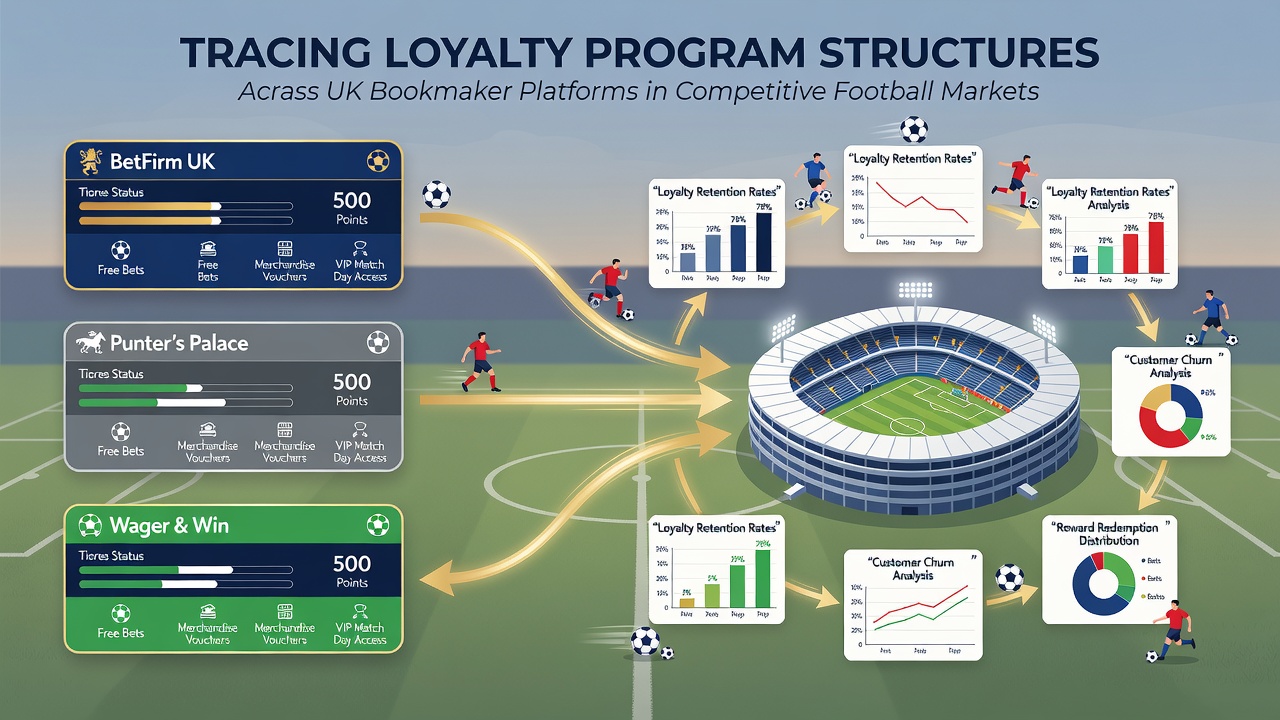
Platforms also layer seasonal campaigns onto core loyalty structures, aligning bonus rounds with international breaks or European nights. One operator might run a points race that resets every four weeks to match Champions League group stages, whereas another maintains a rolling 90-day window that rewards consistent staking across all competitions. Evidence suggests these calendar-based designs help maintain engagement during periods when domestic leagues pause.
Regulatory Context and Industry Data
External analyses from organisations including the Canadian Centre on Substance Use and Addiction highlight how loyalty structures interact with responsible gambling tools across jurisdictions. In the UK context, operators have adapted by embedding spending caps and cool-off periods directly into tier progression, ensuring that advancement remains tied to verified activity rather than unchecked volume. This integration reflects ongoing efforts to align commercial incentives with compliance requirements.
Studies from academic sources show that football-focused loyalty programs often produce higher retention rates compared with general sports markets, partly because of the emotional attachment supporters develop toward specific clubs and competitions. Platforms track these patterns through anonymised datasets that reveal shifts in user behaviour following structural changes to reward tiers or point values.
Conclusion
Loyalty program structures on UK bookmaker platforms continue to evolve in response to football market dynamics, technological capabilities, and external regulatory signals. Differences in tier design, point conversion, and competition-specific bonuses create a diverse landscape where users encounter varied incentives depending on their chosen operators. As the 2026 season progresses, further refinements are likely to emerge from ongoing data collection and cross-industry comparisons that shape how these frameworks operate within competitive football environments.